
The complete guide
How To Choose And Fit An Under Cabinet Wine Glass Rack
The problem with storing wine glasses
Wine glasses are the worst-behaved item in most kitchens. They are tall, so nothing stacks on top of them. They are fragile, so you cannot just shove them to the back. And because the bowl faces up on a shelf, they collect dust the moment you stop using them regularly.
So they end up in one of two places. Either a whole cabinet shelf gets written off to a row of stemware, or the glasses live on the bench where they are constantly in the way and at risk of a knock. If you have ever lost a glass to a cupboard door or a careless elbow, you know the feeling.
The gap under a cabinet is the obvious fix, and almost nobody uses it. It sits above the bench, out of the main working zone, and it is the right shape for something long and shallow. That is exactly what an under cabinet wine glass rack is built for.
How the rack works
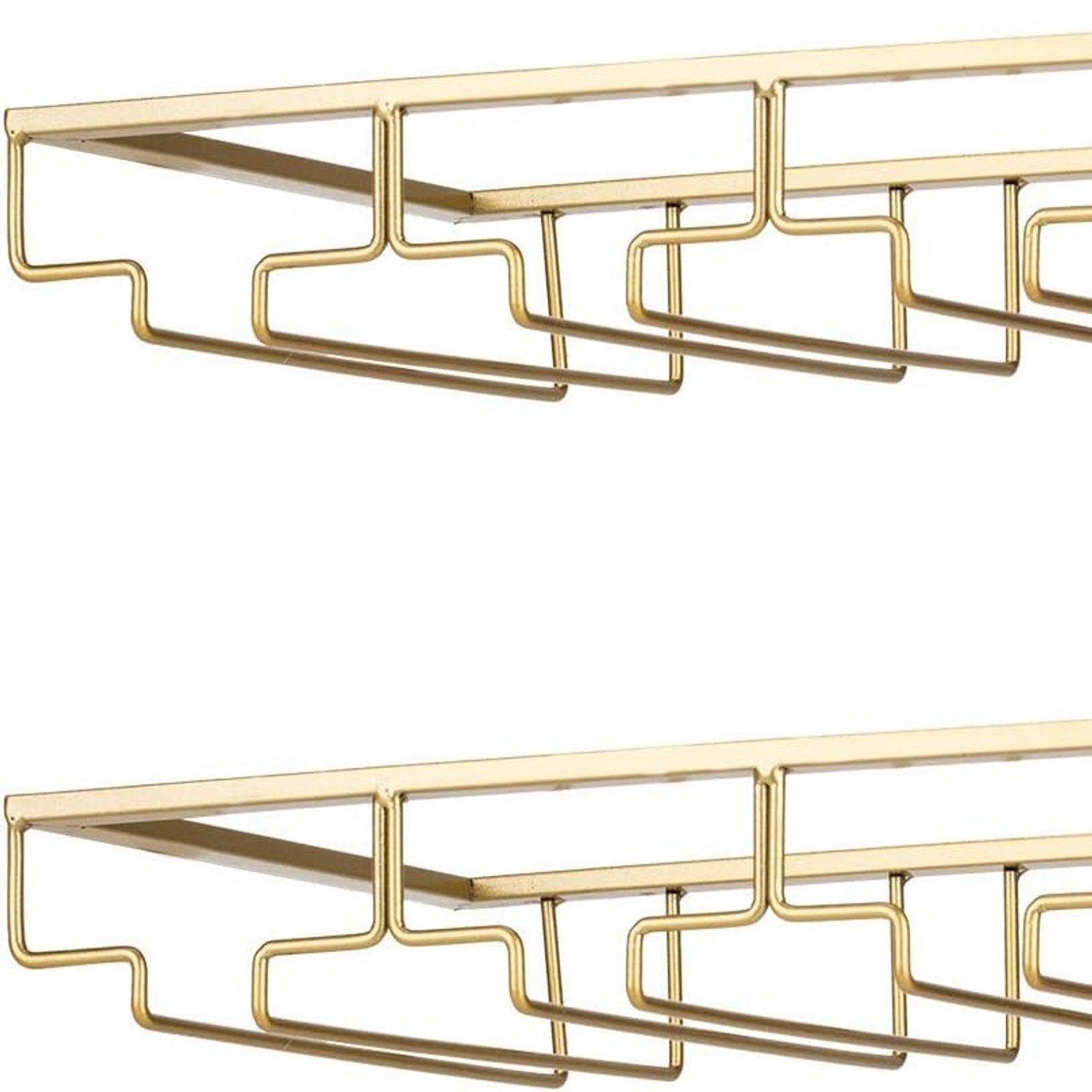
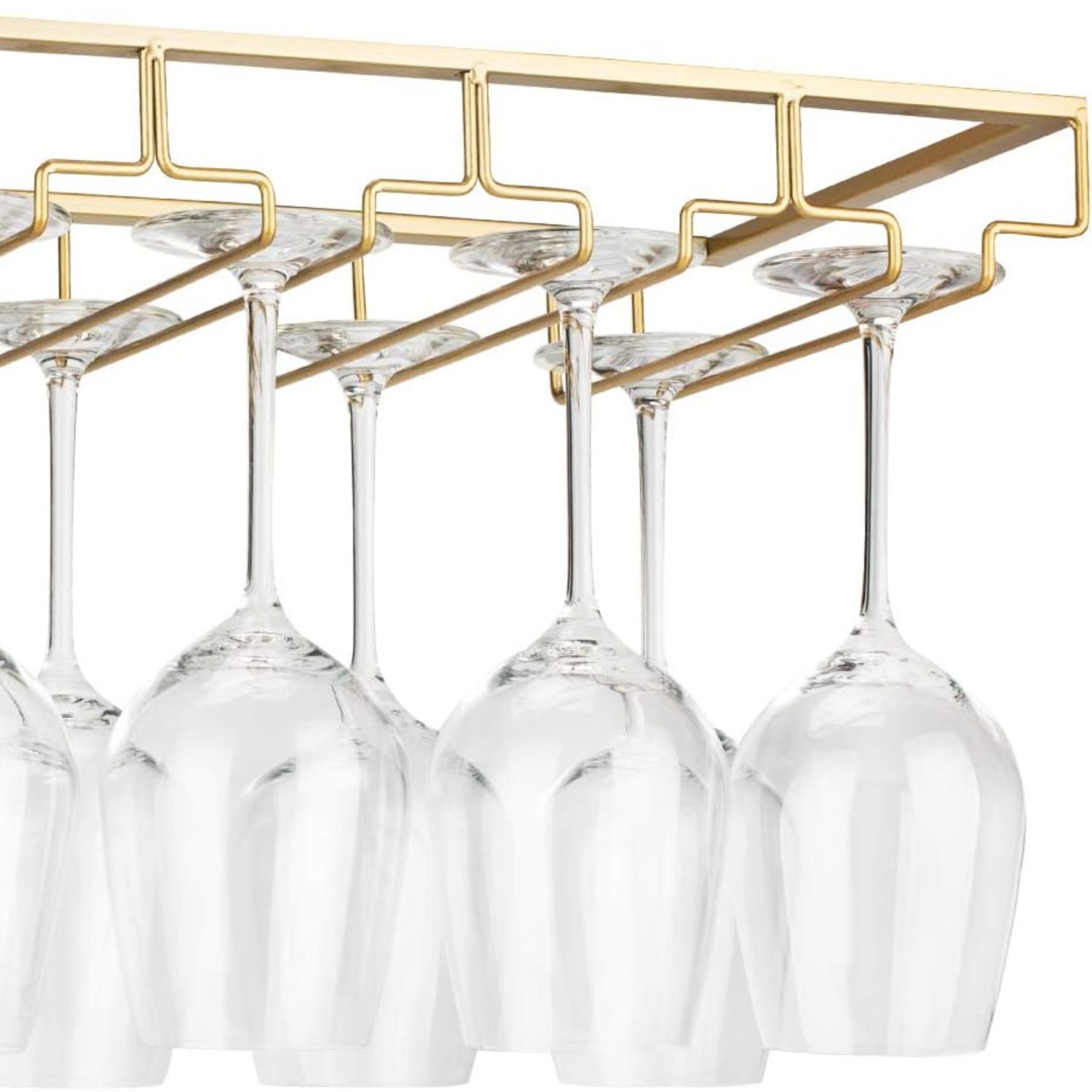
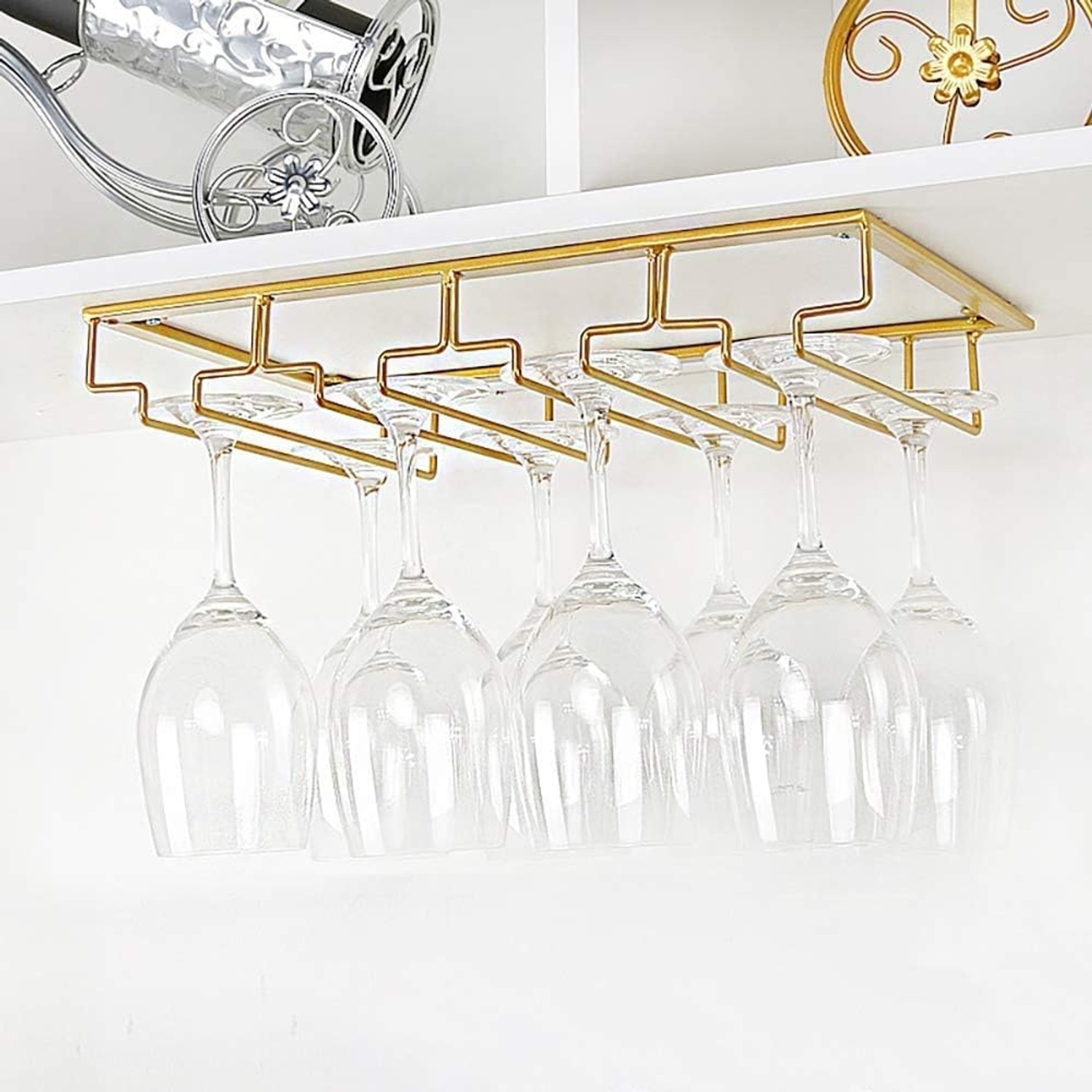
Each rail has a series of slots running along its length. The foot of the glass slides into a slot and the stem sits in the narrow channel, which leaves the bowl hanging upside down below the rail. Gravity does the rest. The glass cannot slide out sideways because the slot is narrower than the base.
Hanging bowl-down has two real advantages. Dust lands on the outside of the glass rather than settling inside it, so you are not rinsing glasses before every pour. And any water left after washing runs off the rim instead of sitting in the base of the bowl, where it leaves those cloudy rings over time.
There is a practical bonus too. Picking up a hanging glass is a single motion. You reach, lift, and you are done. Compare that to sliding one glass out from a packed shelf while keeping four others upright.
Who this suits
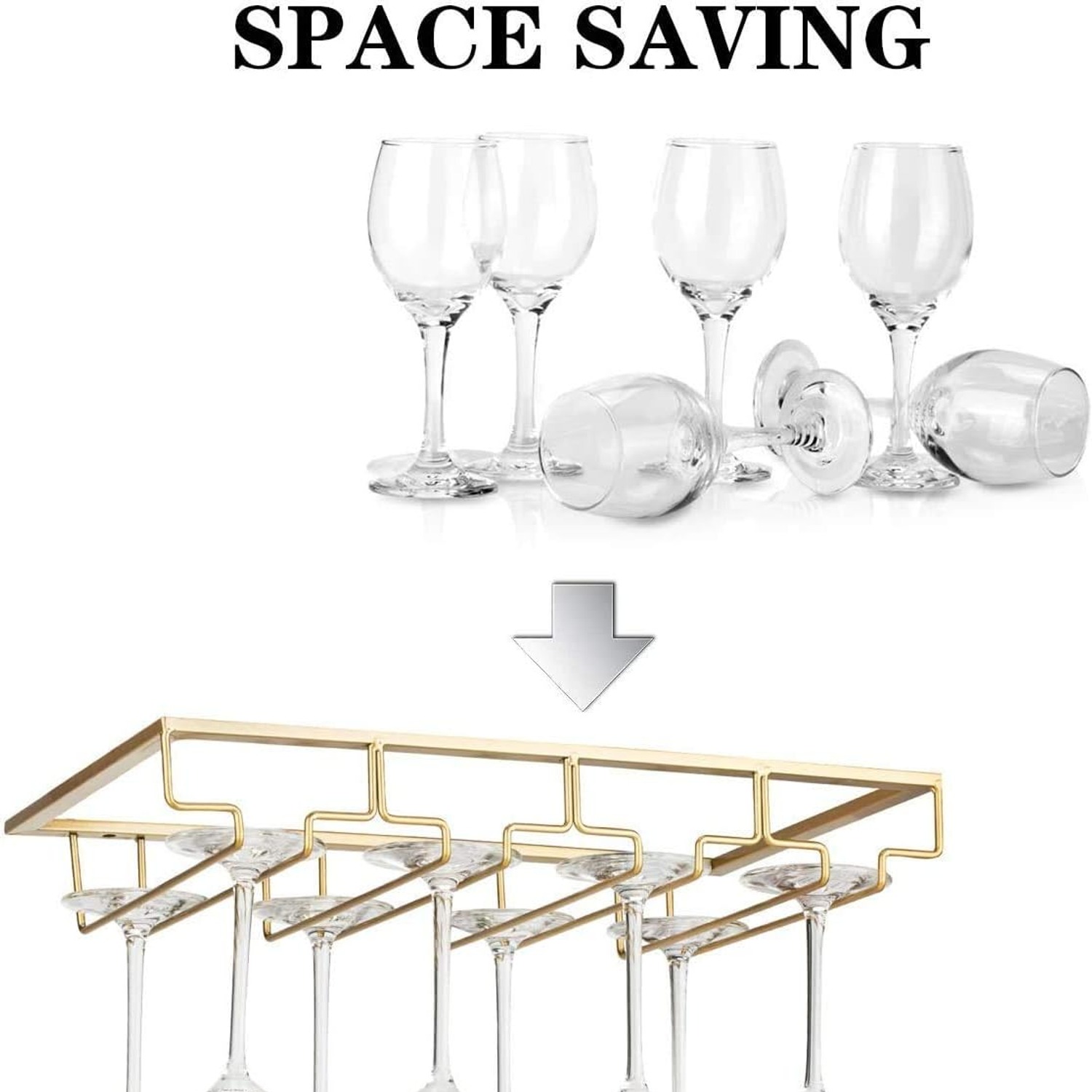
Small kitchens benefit most. If you are short on shelf space, moving a set of twelve glasses out of a cabinet and under it can free a full shelf for plates or bowls. That is a genuine gain, not a shuffle.
It also suits people who entertain. Having glasses visible and ready means you are not digging through a cupboard when guests arrive. A row of clean stemware above the bench reads as organised rather than cluttered, especially with the gold finish.
Home bars and drinks nooks work well with this too. Fitted under the top of a cabinet or the shelf of a bar unit, it turns an ordinary corner into something that looks considered. If you have been hunting for a stemware holder that does not eat into your bottle storage, this is the shape that works.
Renters should think it through first. Installation means screws into the underside of the cabinet, which leaves small holes if you take it down. They are hidden in normal use and easy to fill, but check your lease if you are unsure.
Getting the measurements right
This is the step people skip, and it is the one that matters. There are three numbers to check.
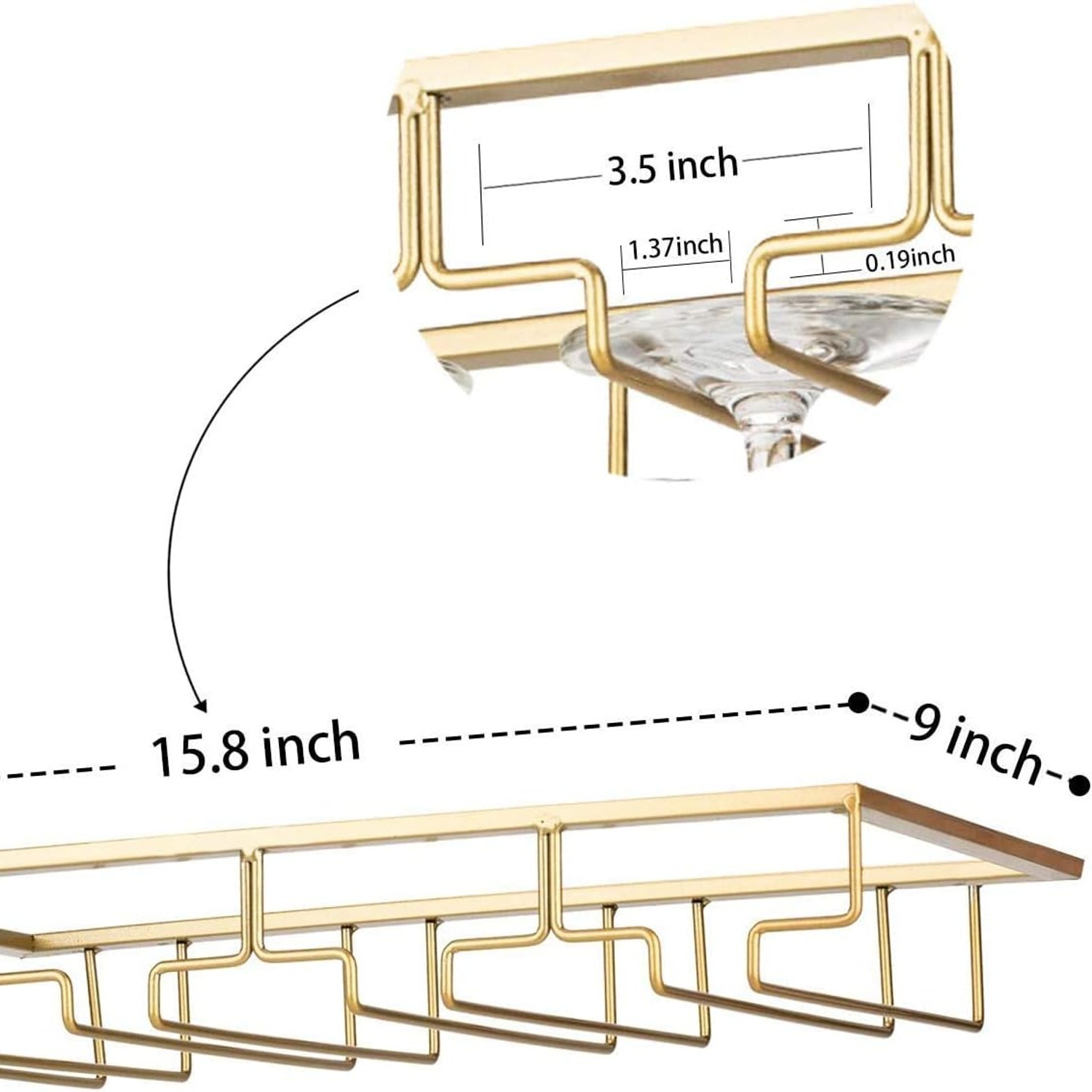
First, the depth of your cabinet underside. Each rack is 34.3 cm deep, so you need a clear flat run of at least that much from the front edge of the cabinet toward the wall. Watch for lighting strips, range hood housings or decorative trim that cut into that space.
Second, the width. Each rail is 24.3 cm wide, so two side by side need just under 50 cm of cabinet. Most standard cabinets handle one comfortably, and a wider run handles both.
Third, and this trips up the most people, the vertical clearance. The rack itself is 8.2 cm high. Add the full length of your tallest glass, then a few more centimetres so you can lift the glass out without hitting the bench or a splashback. If your cabinets sit low over a deep bench, measure before you buy.
While you are at it, check the width of your glass bases. The slots are a fixed size and the product is not customisable, so an unusually wide-footed glass may need two slots.
Fitting it
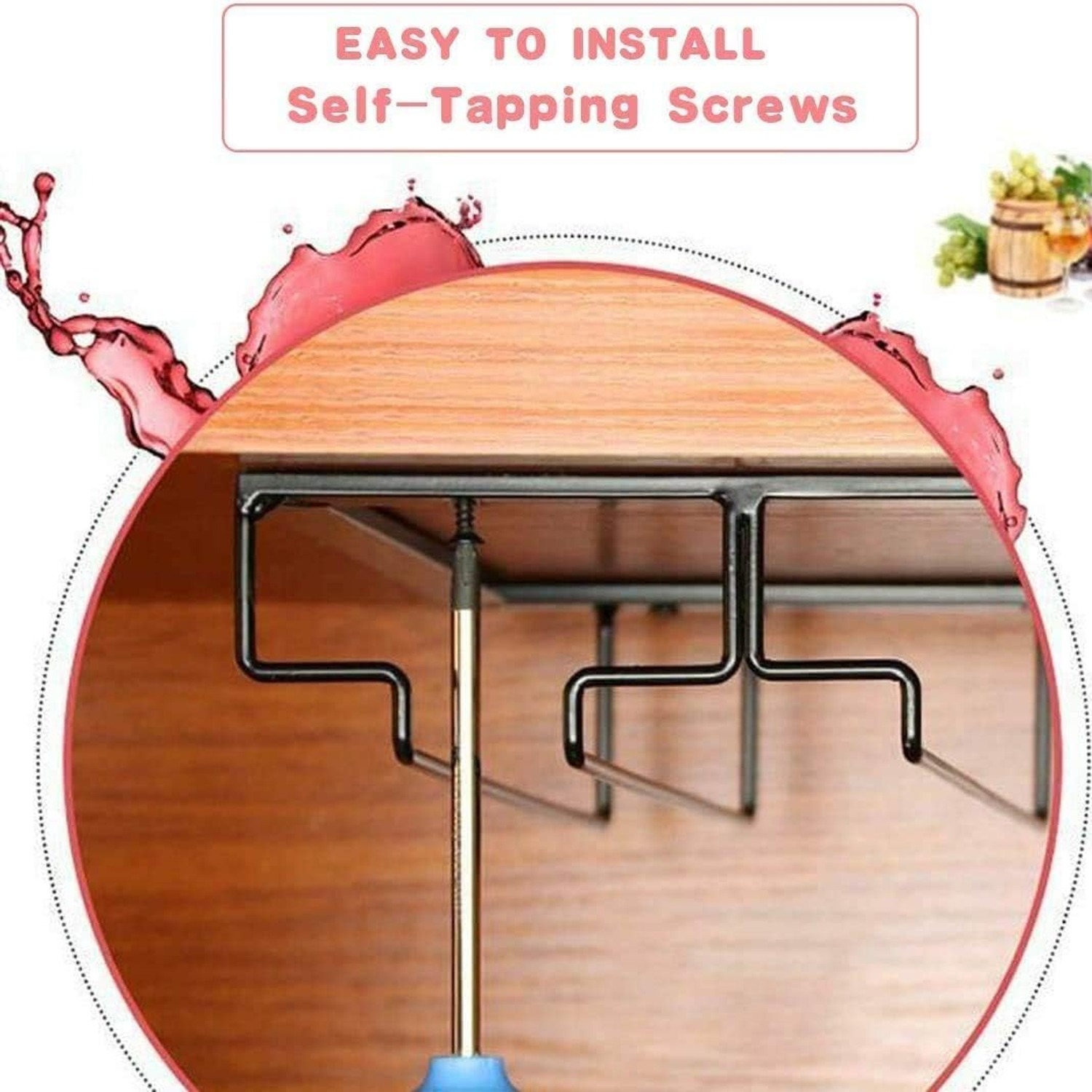
The hardware comes in the box and the job is quick, usually a few minutes per rail once you have marked your points. Hold the rack in position, mark the screw locations with a pencil, and fix it.
Whether you pre-drill depends on what your cabinet is made of. Softer particle board often takes the screws directly. Hardwood or dense ply goes in much straighter with a small pilot hole first, and you are less likely to split anything.
Check your screw length against the thickness of the cabinet base. If the base is thin, use shorter screws so nothing pushes through into the shelf above. A cordless driver on a low torque setting gives you the most control, but a hand screwdriver works fine.
Load it gradually the first time. The listed capacity is 816 grams per rail, so spread the glasses evenly rather than hanging everything heavy at one end. If you own heavy crystal, split it across both racks.
The finish and why it matters
The frame is metal with a powder-coated finish. Powder coating is applied dry and then baked, which fuses it into a harder shell than wet paint. In a kitchen that matters, because the area under a cabinet catches steam from the kettle, splashes from the sink and the odd scrape from a glass base.
The practical upshot is a surface that resists rust and oxidation and does not chip the first time something knocks it. The gold tone is warm rather than brassy, and it pairs well with timber, white cabinetry and gold or brass tapware.
It is rated for indoor use. Covered patios near the coast are a bad idea for any coated metal, so keep it inside.
Care that actually extends its life
There is not much to it. Wipe the rails with a soft damp cloth and dry them straight away, especially if the rack sits near the sink or hob. Leaving moisture on coated metal is the one habit that shortens its life.
Skip the scouring pads, abrasive powders and strong solvents. They dull a powder-coated surface quickly and you cannot undo it.
Every few months, give the mounting screws a check and nudge any loose ones back up. Cabinet doors open and close hundreds of times and that vibration adds up.
If you hang glasses straight from the sink, put a tea towel or shallow tray on the bench underneath while they drip. It saves wiping water marks off the surface later.
The short version
An under cabinet wine glass rack solves a problem most kitchens quietly live with. Your stemware comes off the shelf, out of the dust and into a space you were not using. Glasses drain dry, they are easy to grab, and the shelf they used to occupy is yours again.
Before you order, measure three things. The clear depth under your cabinet (you need 34.3 cm). The width (24.3 cm per rail). And the drop below, which is the 8.2 cm rack plus the full length of your tallest glass plus a little room to lift it out.
Get those right and the rest is a few minutes with a screwdriver. Two rails, somewhere between twelve and eighteen glasses, and a kitchen that feels less crowded than it did this morning.