


The complete guide
Buying a 20 Bottle Timber Wine Rack, The Practical Guide
The problem with bottles everywhere
Wine has a habit of spreading. You buy a mixed case because it was good value, you get given two bottles at a dinner party, and suddenly there are bottles standing on the bench, lying in the pantry, and one forgotten in the back of a cupboard behind the slow cooker. Nothing is damaged exactly, but nothing is organised either. You cannot see what you have, so you end up buying more of the same thing or drinking the bottle you were saving.
A rack fixes that for less money than most people expect. Twenty slots, all visible, all reachable. You can see the labels without moving anything. You know when you are low. You stop storing good wine standing up next to the toaster.
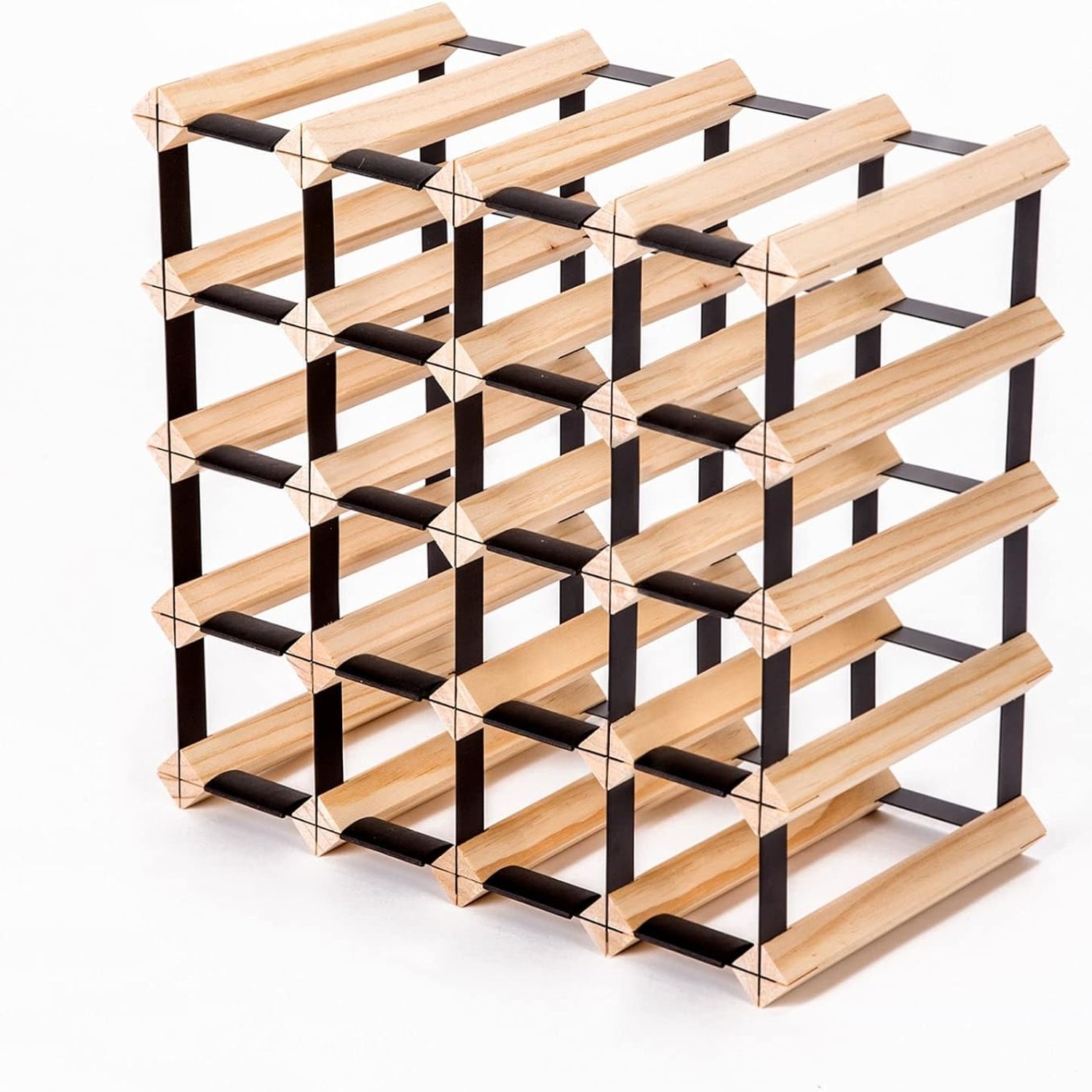
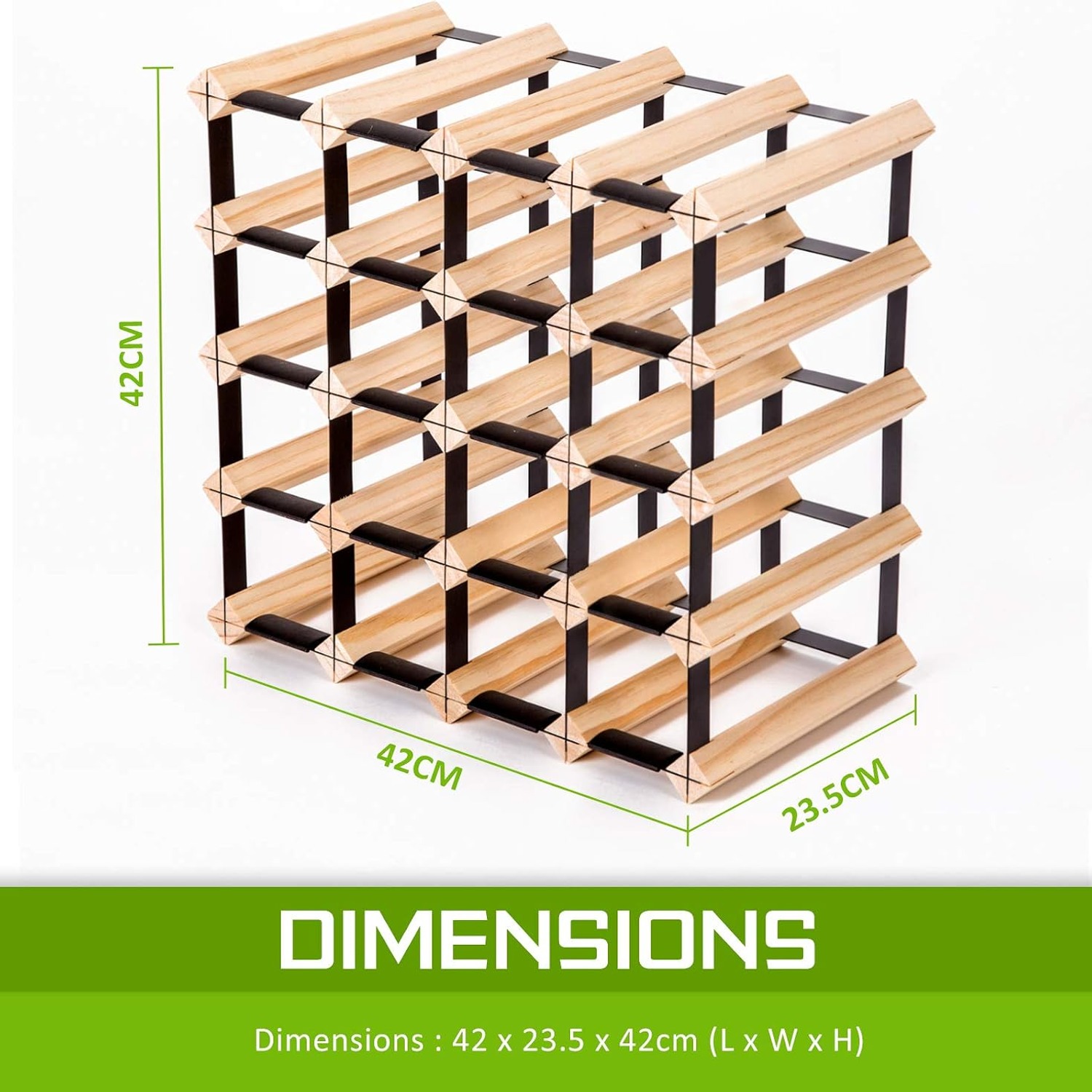
This Home Ready rack is a pine timber unit in a natural finish, 42 cm wide, 23.5 cm deep and 42 cm high, holding 20 bottles. It weighs 3.6 kg empty. That is the whole specification, and for most homes it is the right size.
Why horizontal storage matters
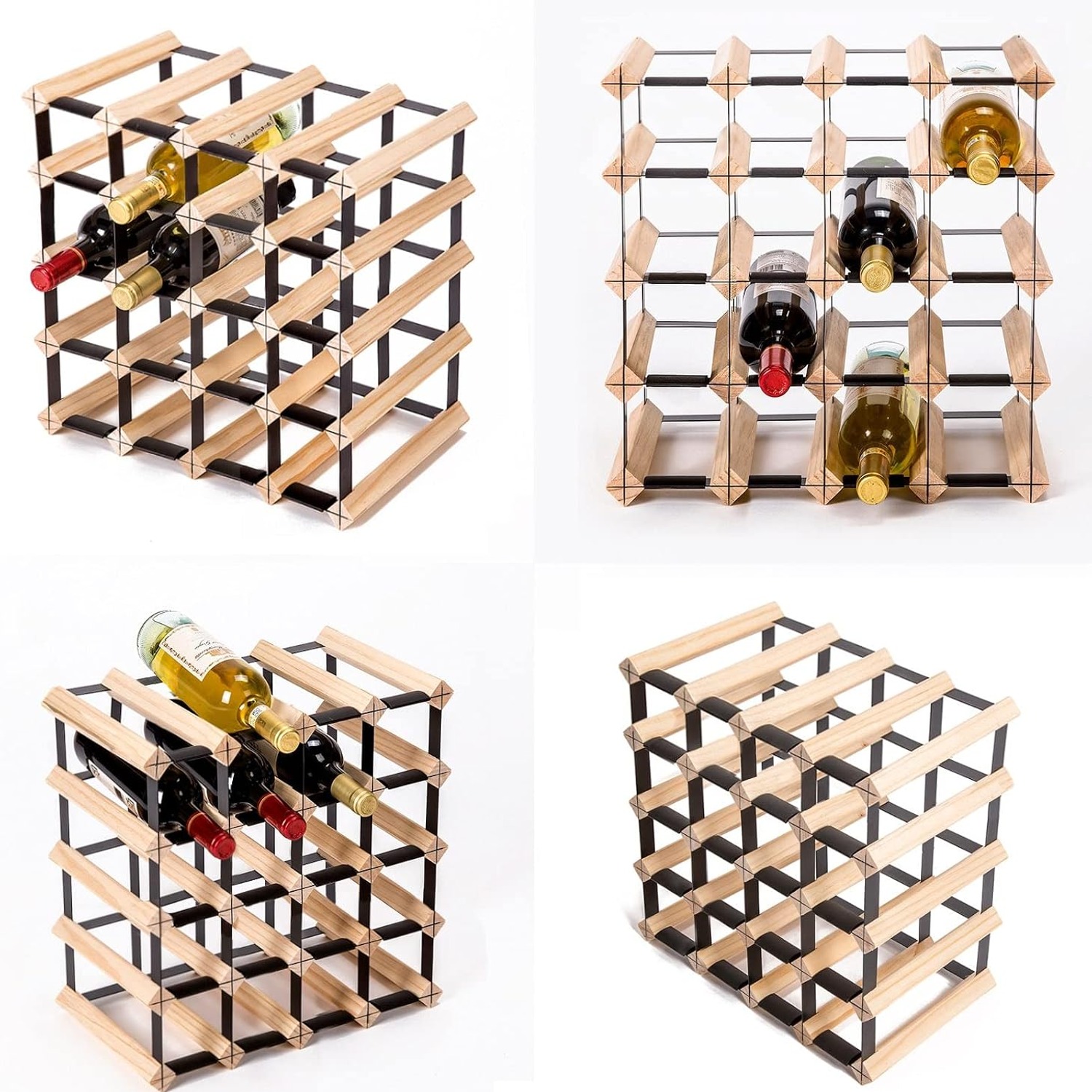
Lying bottles down is not a style choice. If a bottle is sealed with a natural cork, the cork needs to stay damp. A damp cork stays swollen and keeps its seal. Stand the bottle upright for long enough and the cork dries, shrinks a little, and lets air creep in. Air is what oxidises wine and turns a decent bottle flat and sour.
How long is "long enough"? For a bottle you will drink next weekend, upright is fine. For anything you plan to hold for six months or more, lie it down. Since most people cannot predict which bottles they will forget about, lying everything down is the simpler rule.
There is a second benefit that nobody mentions in wine books. Horizontal bottles show their labels. You can scan 20 bottles in two seconds instead of lifting each one out to read the neck. That alone makes a rack worth having.
Who this size suits
Twenty bottles is the sweet spot for a lot of households. It holds a full mixed case with room for the bottles you already had, plus a few special ones you are keeping for a birthday. It is enough that you can buy when the price is good. It is not so much that you need a dedicated room.
It suits a few groups particularly well. People in apartments and townhouses, where floor space is the scarce thing and a 42 cm square footprint genuinely matters. People setting up a first proper kitchen, who want the best small wine rack they can get without committing to furniture. Renters, because a flat-pack timber unit moves house in a car boot. And people who already have a bigger rack and need overflow for the bottles that keep arriving.
It suits people with 200 bottles less well. If that is you, you want a cellar or a modular system you can keep adding to, not a single square unit.
Where to put it
Wine has four enemies. Heat, light, vibration and big temperature swings. You do not need a perfect cellar to deal with them, you just need a bit of common sense about placement.
Heat first. Keep the rack away from the oven, the dishwasher, the fridge compressor and any heating vent. A spot that sits consistently around 12 to 18 degrees is ideal, but what matters more is that it stays roughly the same rather than hitting 30 in the afternoon and dropping to 10 overnight. An internal pantry, a hallway cupboard, the bottom of a shelving unit on an internal wall, all good.
Light next. Ultraviolet light breaks down wine over time, which is why so many bottles are dark green. Direct sun on a windowsill is the worst place in the house for a wine rack, even though it looks lovely in photos.
Vibration matters less than people claim for everyday wine, but it is still worth avoiding the top of the washing machine or a fridge that rattles.
At 42 cm high, this rack slides under most overhead kitchen cupboards, sits comfortably on a sideboard, and fits inside a lot of shelving units. Measure the height clearance where you want it. Most benches have between 45 and 60 cm under the overheads, so it usually works, but "usually" is not "always".
Freestanding or mounted
The product details list the mounting type as wall mount, and the square shape works both ways. Plenty of people simply stand it on a bench, a floor or a shelf and never fix it to anything. That is the easiest route, and it is also the most flexible if you rent or like moving furniture.
If you do want it on a wall, think about the loaded weight. The rack itself is 3.6 kg, but 20 full bottles add roughly 24 kg on top of that. A load like that belongs in timber studs or in masonry with proper fixings, not in bare plasterboard with a couple of plastic plugs. Read the supplied manual, check what hardware comes in the box, and if there is any doubt, pay someone to hang it. A rack that falls off a wall is an expensive afternoon.
Putting it together
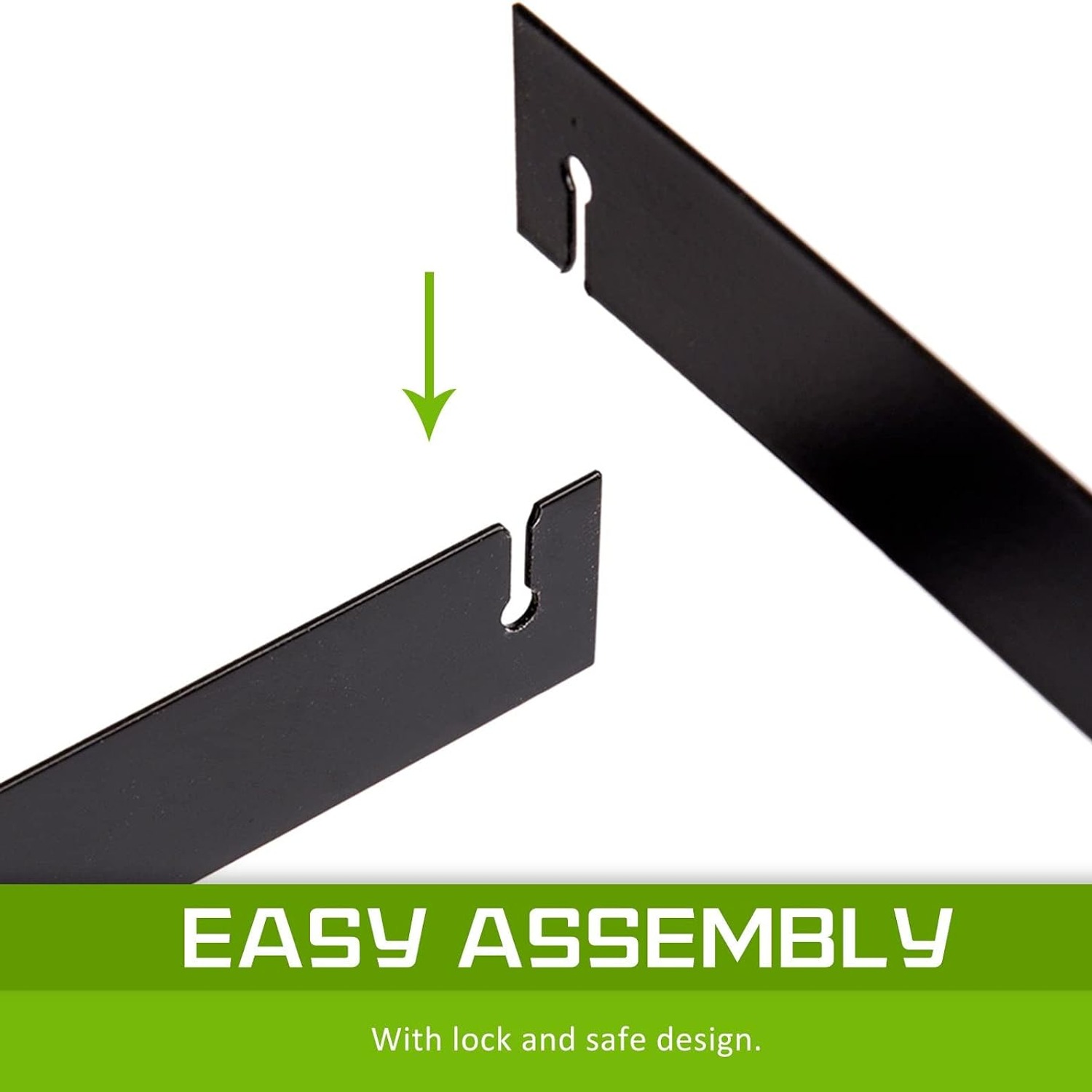
Assembly is required, and the box includes a user manual. This is standard for timber racks at this price, and it is why the carton is small and the postage is sensible.
A few things that make it go smoothly. Clear a table or a patch of floor and unpack everything before you start, so you can see all the parts. Lay the pieces out the way the diagram shows them. Start every screw loosely and only tighten them all once the frame is square, because tightening as you go tends to pull things out of alignment. Finally, give everything a gentle wobble test before you load bottles in.
If anything is missing or damaged in transit, stop and contact us rather than improvising. Replacement parts are easier than a rebuilt rack.
Looking after pine
The stated care is simple. Wipe with a dry cloth. Pine is a soft timber, so it does not love moisture sitting on it and it will dent if you knock it hard with something heavy.
Dust it when you dust the shelf it sits on. If something spills, catch it quickly with a barely damp cloth and dry the spot straight away. Do not use bleach, solvents or anything abrasive, because they will mark the natural finish.
Every few months, check the screws. Timber moves a little with changes in humidity, and a joint that was tight in winter can be slightly loose by summer. Thirty seconds with a screwdriver keeps the whole thing solid for years.
Soft pine will also pick up character over time. Small marks and the odd dent are part of how real timber ages, not a fault.
Growing the collection later
If 20 slots stop being enough, you have two easy options. Buy a second unit and line it up next to the first, which gives you 40 slots in 84 cm of width and still looks intentional. Or keep this one for everyday drinking bottles and put the bottles you are cellaring somewhere cooler and darker.
Buying a matching second unit at the same time is worth considering if you suspect you will want it. Natural timber varies batch to batch, and two racks bought together are more likely to be the same tone.
The short version
This is a 20 bottle pine wine rack, 42 cm wide, 23.5 cm deep and 42 cm high, weighing 3.6 kg empty, in a natural colour with a square industrial look. It arrives flat with a manual and needs assembling. Bottles lie flat, labels face out, and the footprint is small enough for a bench, a pantry shelf or a corner of a small kitchen.
If you have somewhere between a dozen and twenty bottles floating around your home with no proper spot, this is the straightforward fix. If you are storing serious wine for a decade, you need a cellar, not a rack. For everyone in between, 20 slots of pine does the job and stays out of the way while it does it.