
The complete guide
How To Choose And Fit An Under-Cabinet Wine Glass Rack
The problem with storing wine glasses
Wine glasses are badly suited to cupboards. They are tall, so they waste the top third of a shelf. They are fragile, so every time you slide one out you risk clipping the rim on the one next door. And they are hollow and open, so they collect dust, crumbs and that flat cupboard smell that makes you rinse a glass before you pour.
Most people put up with it. They stack glasses at the back of a high shelf and only get them out when guests come over, which means the glasses they actually like using are the ones they use least.
An under-cabinet rack flips the whole arrangement. Instead of fighting for shelf space, the glasses hang in the empty air beneath a cabinet, which is space you already own and almost certainly are not using. The glasses stay visible, they stay clean, and they are a single reach away.
How a hanging stemware rack works
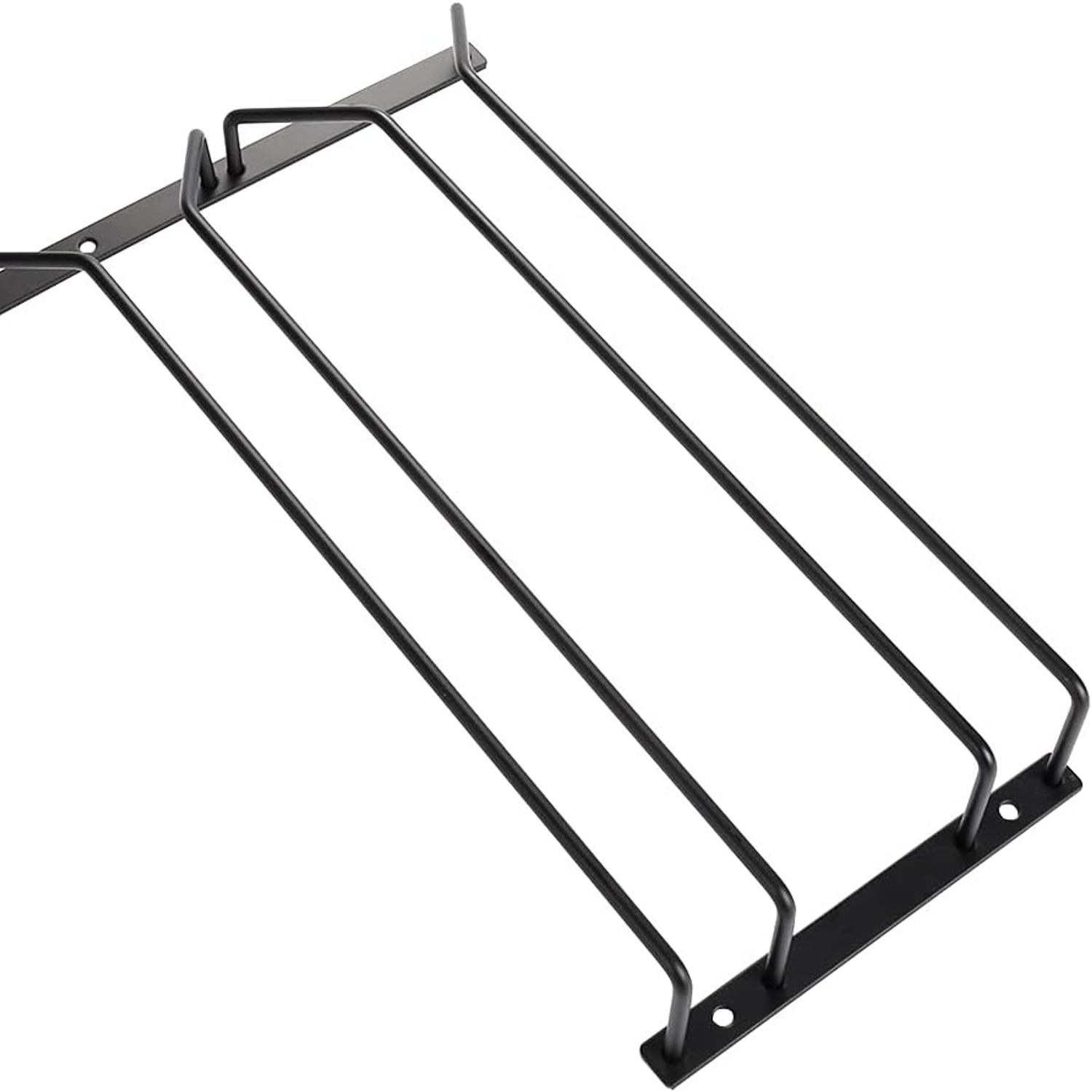
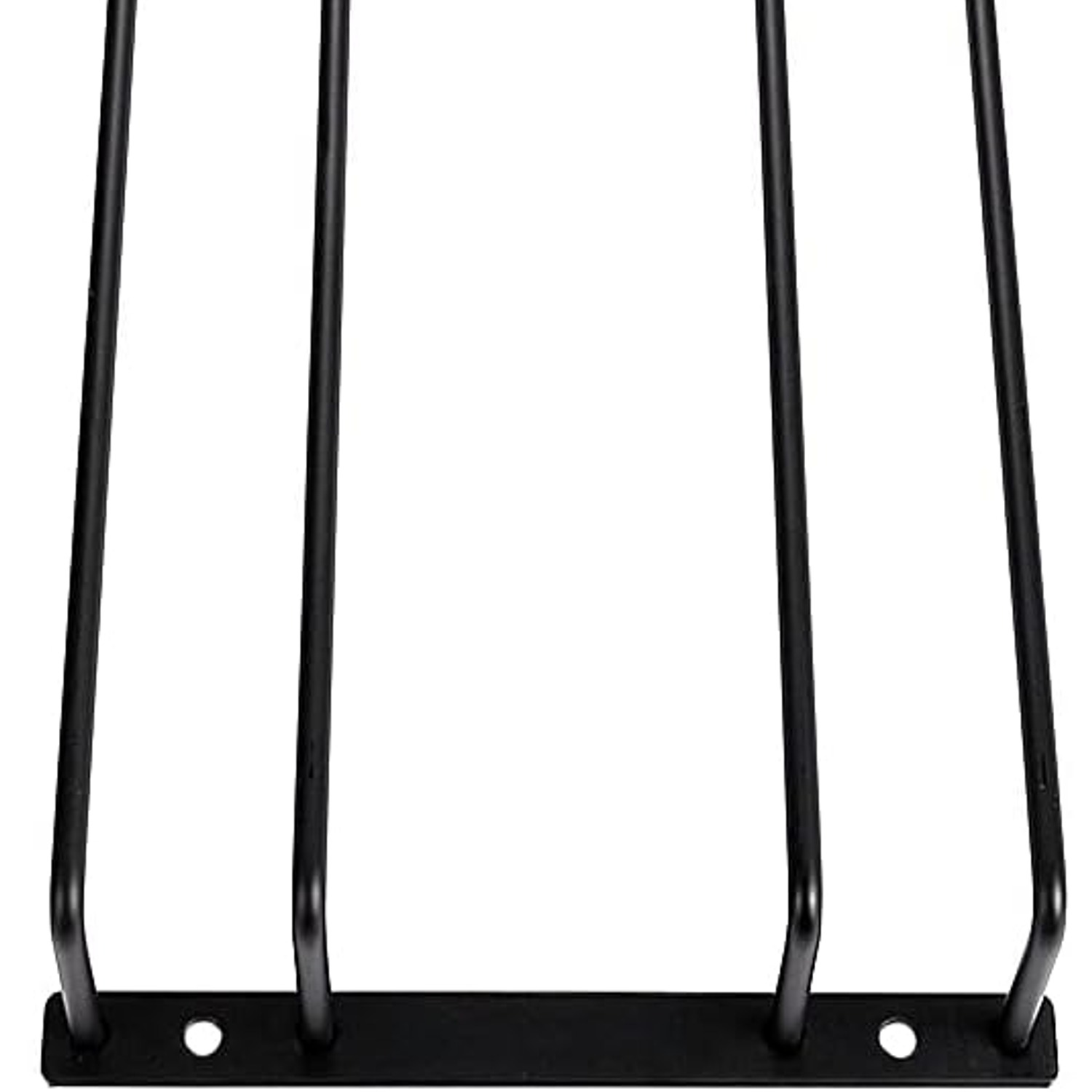
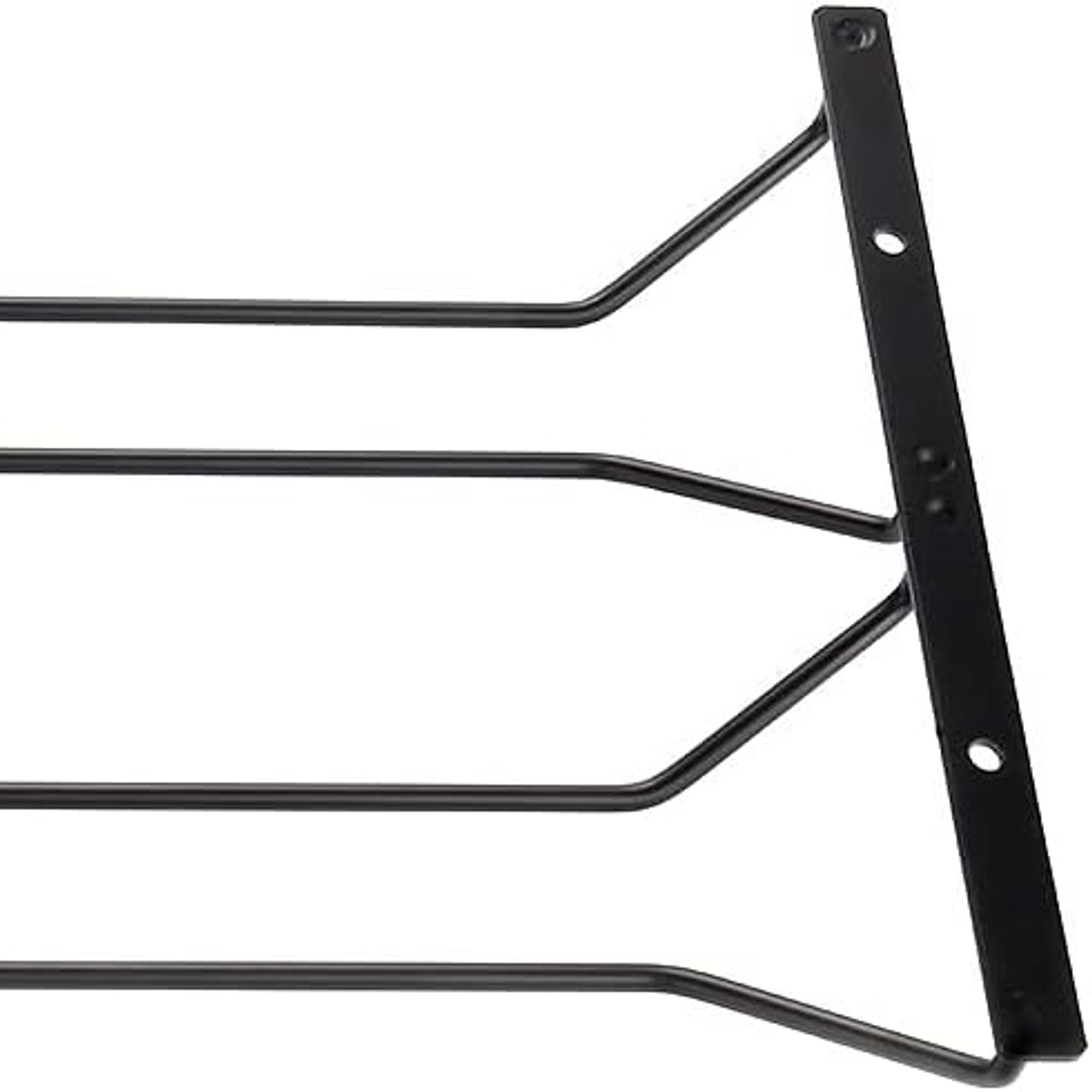
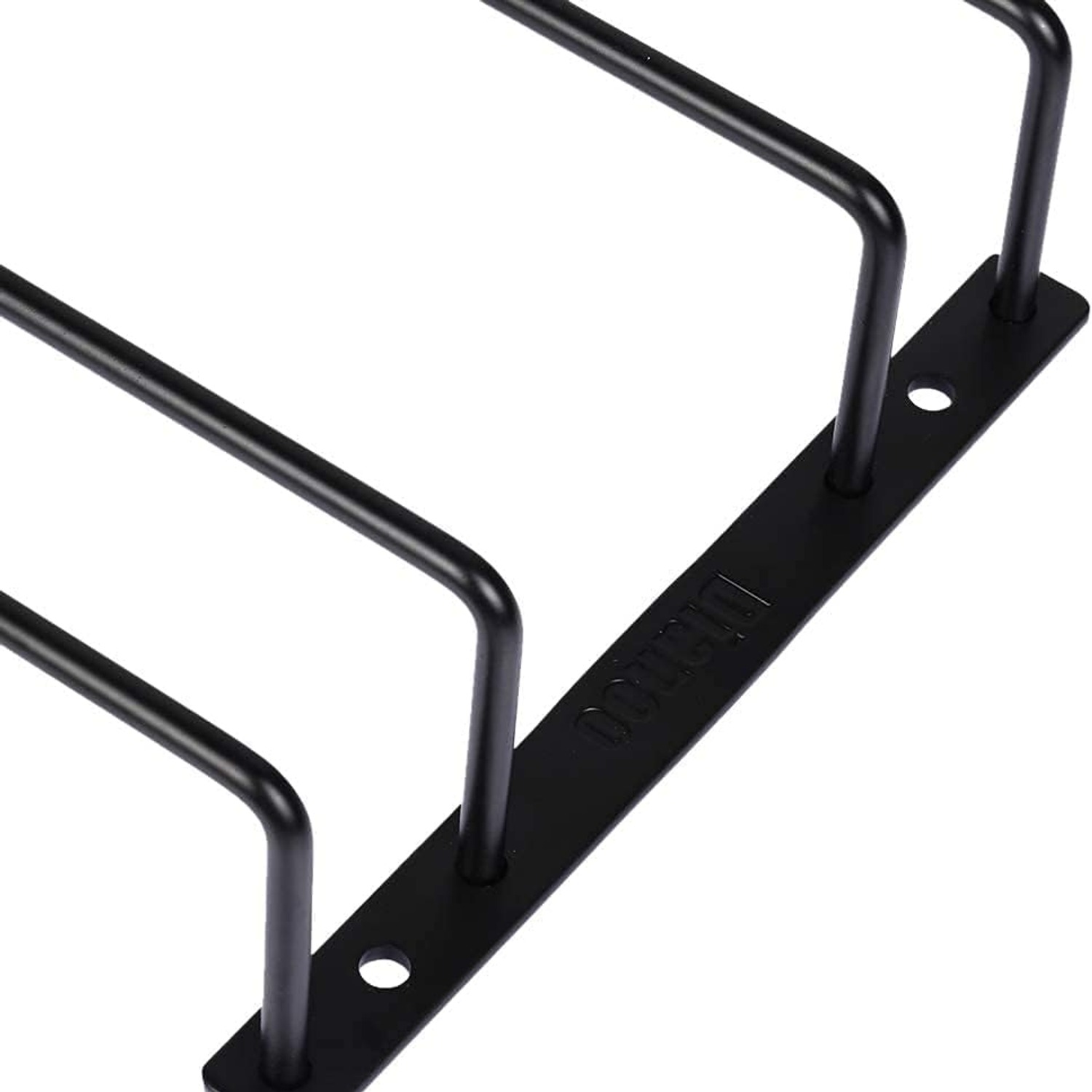
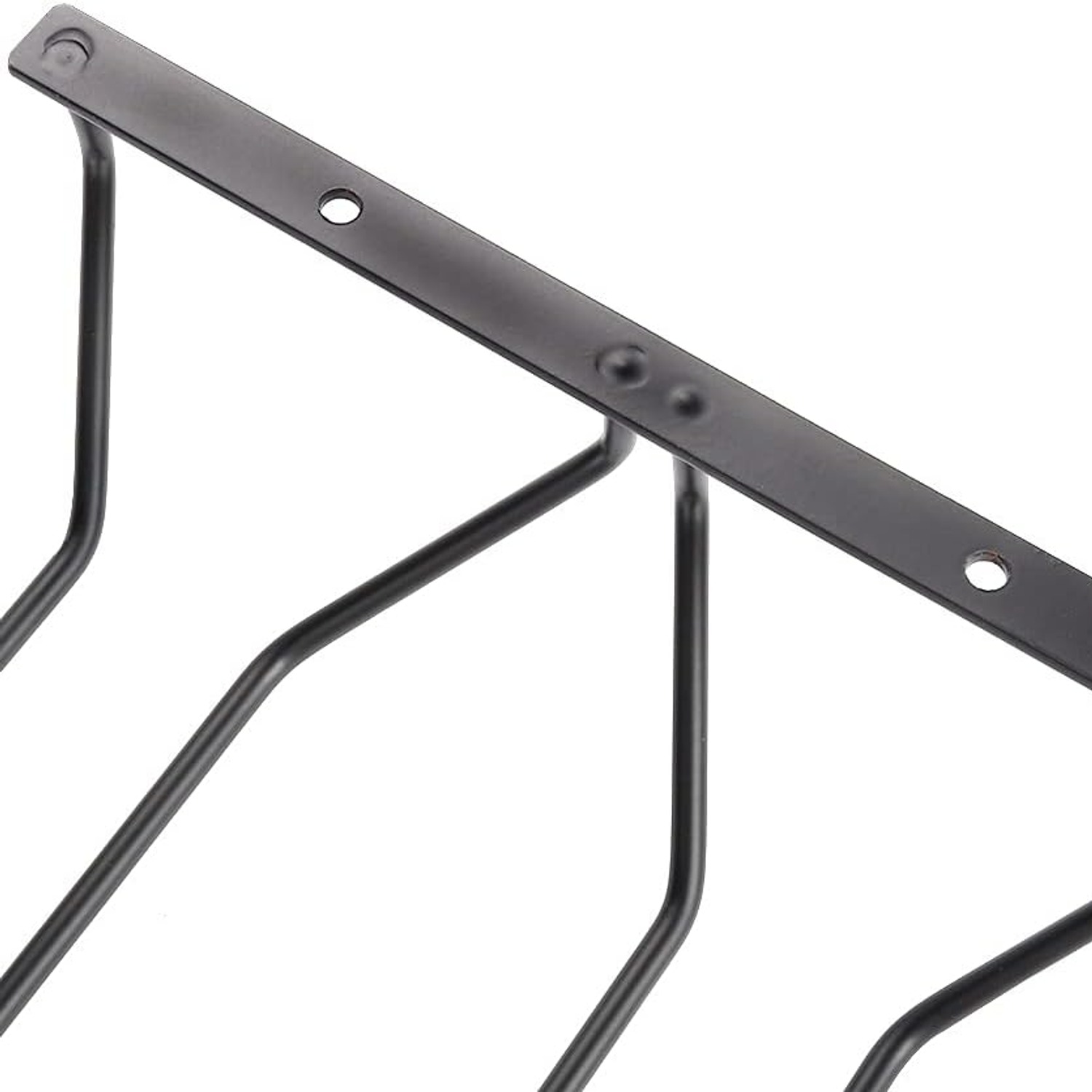
The design is simple on purpose. The rack is a metal frame with parallel rails. The gap between each pair of rails is wide enough for a glass stem but narrower than a glass foot. You tilt the glass, slide the foot onto the rails from the open end, and let go. The foot rests on the rails, the stem sits in the gap, and the bowl hangs free below.
This rack has two rows, which is where the six to eight glass estimate comes from. The real number depends on how wide your glass feet are. A set of slim white wine glasses might give you eight. A set of heavy-footed red glasses or coupes might give you five or six. Nothing is wasted either way, because any spare rail length just becomes room to add a glass later.
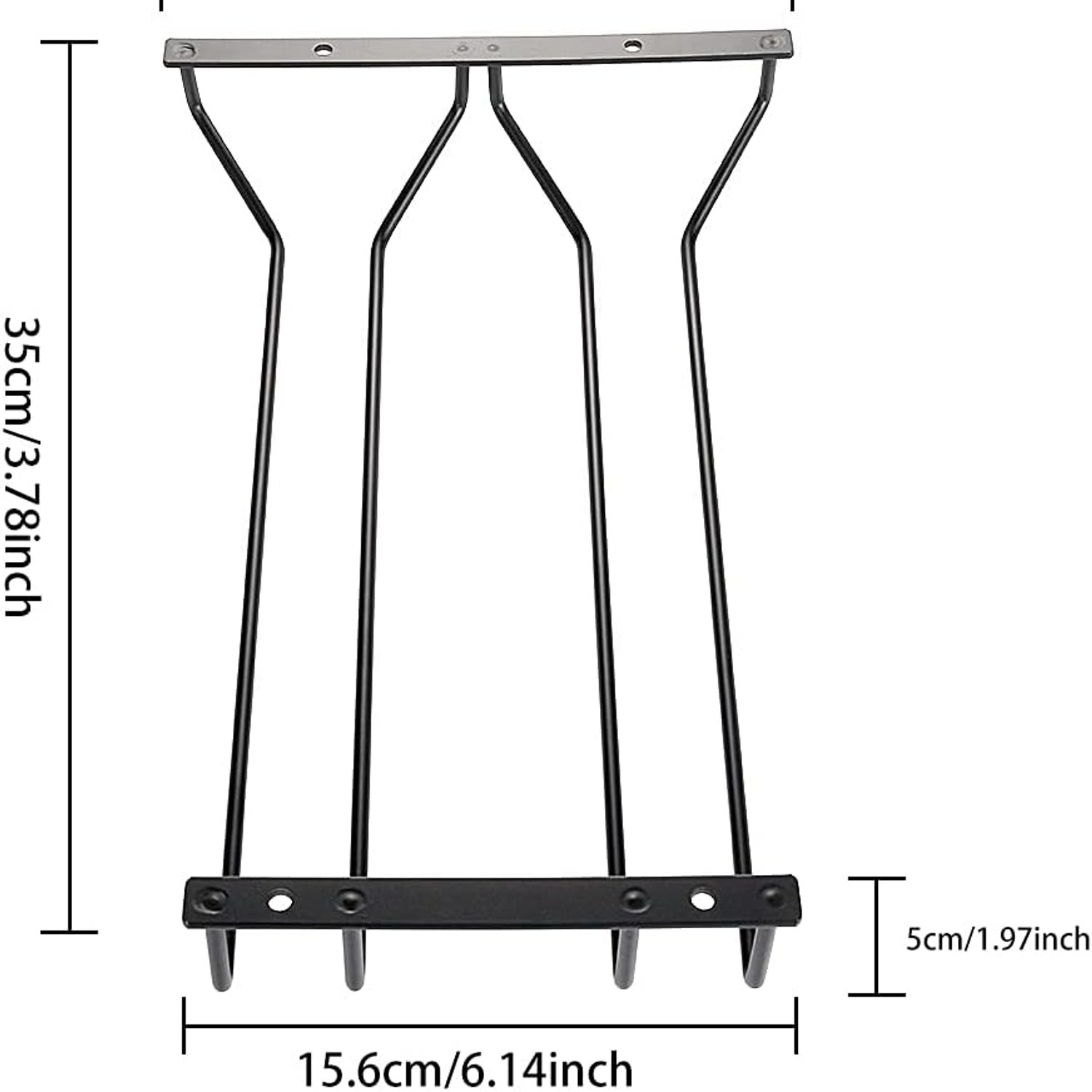
At 35cm long, 21.6cm across and 5cm deep, the frame is compact. That shallow 5cm depth matters more than people expect. It means the rack does not jut out past the front edge of a standard wall cabinet, so you are not ducking around it while you work at the bench.
Who it suits
If you have a small kitchen, this is an easy win. Anything that moves items out of a cupboard without taking floor space is worth considering, and a good under shelf glass holder does exactly that.
If you have a home bar, a drinks trolley or a dedicated dining room shelf, the rack doubles as display. Hanging stemware looks deliberate. It signals that someone in the house takes a glass of wine seriously, without you having to buy a whole cabinet to make the point.
If you run a cafe, a restaurant or an event space, hanging racks are standard for a reason. Staff can grab a glass one-handed, and stock levels are obvious at a glance.
The one group it does not suit is anyone whose glasses are stemless. Tumblers, stemless wine glasses and water glasses have no foot to hang from, so they need a different solution entirely.
Working out if it fits
Before you order or drill, do two quick measurements.
First, measure the run of shelf you want to use. You need at least 35cm of clear underside, ideally a few centimetres more so the rack is not jammed against a side panel. If your shelf is longer, you can fit two racks end to end for double the capacity, just leave a small gap so glasses on the end of one do not clash with the next.
Second, measure your tallest glass from the base of the foot to the rim. Add two or three centimetres for the rack itself and for clearance, then check that total against the space between your shelf and whatever is below it, usually a benchtop. A glass that touches the bench is a glass that will get knocked over.
It is also worth checking what your shelf is made of. Solid timber takes a screw beautifully. Particle board or thin MDF holds a screw but needs a correctly sized pilot hole so it does not split or strip. A fixed timber cabinet base is the ideal mount.
Fitting it
Mounting screws are included, along with screw covers to hide the heads. The job is short.
Hold the rack against the underside of the shelf where you want it. Check it sits square and that the front rail is not poking past the shelf edge. Mark the screw positions with a pencil. Drill pilot holes slightly narrower than the screw shaft, then drive the screws until the frame is firm against the surface. Fit the covers over the heads.
Give the rack a decent downward tug before you load any glasses. If it moves at all, back the screws out and go again, either with a slightly larger pilot hole in a fresh spot or with longer screws if the shelf allows. Eight glasses do not weigh much, but a rack that lets go takes all of them with it.
Load from the back row first. It gives you a cleaner look and means the front row, the one you reach for most, is the one you can get to without leaning.
Looking after it and the glasses
The rack itself asks for almost nothing. A wipe with a damp cloth clears cooking film and dust, and drying it straight away stops water marks on the black finish. Abrasive pads and bleach-based cleaners are the main things to avoid, because they can scratch or dull painted metal.
Every few months, give the mounting screws a quarter turn to check they are still tight. Timber shrinks and swells with the seasons and screws can work slightly loose, particularly above a kitchen bench where steam is a regular visitor.
For the glasses, hanging them inverted keeps the inside clean, but the outside is still exposed to airborne kitchen grease if the rack sits near a cooktop. If yours does, plan on a rinse every few weeks or mount the rack a bit further from the stove. Glasses you use daily never sit long enough for it to matter.
One more small habit worth forming. Slide glasses in and out along the rail rather than lifting them straight down. Lifting can catch the foot on the rail edge and chip it, and chips on a foot tend to turn into cracks.
The short version
This is a 35cm, two-row, black metal rack that screws under a cabinet and holds roughly six to eight stemmed glasses upside down. It is 5cm deep, weighs 0.38kg, and comes with the screws and covers you need to mount it. Assembly means fixing it in place, nothing more.
It suits small kitchens, home bars, dining rooms and commercial settings, and it is listed for indoor use. Measure your shelf run and your tallest glass first, drill pilot holes to suit your shelf material, and check the screws occasionally. Do that and you get a cupboard shelf back, cleaner glasses, and stemware you can actually reach.